Domestic Violence
Domestic Violence against women and children is nothing new. Fortunately, there is a growing awareness sweeping across the globe, and with it, an increasing number of resources available.
One problem is that many of these women feel alone and isolated. They either lacked supportive friends and family in their lives to start with or they have become isolated geographically or emotionally. Abusers know that what they are doing is wrong and they work hard to keep it private.
Another issue is that the abuse grows over time. It’s like the old story about how to boil a frog. If a frog is dropped into a pot of water that’s already boiling, it’ll immediately feel the danger and jump out. If, however, a frog is dropped into warm water, which gradually increases in temperature, it will not sense the danger until it’s too late.
Abuse follows an ever growing pattern. Most women in abusive relationships didn’t get there overnight. They gradually wonder, is he abusive? By the time they realize their lives have become dangerous, they have either grown used to the mistreatment or have grown too fearful to speak up.
No matter what type of abuse (verbal abuse, emotional abuse, psychological abuse, physical abuse, or sexual abuse), it intentionally inflicts shame and humiliation on the victim.
There is a common misconception that women cry “abuse” to manipulate or discredit someone. In most cases, this is simply not true. It’s embarrassing to admit to being mistreated and most people don’t want to show the ugly side of their intimate relationships.
In the midst of domestic violence, a woman or child may think that their experience is unique and others won’t understand or might not believe them. Will anyone believe it without police reports, bruises, and broken bones?
While physical evidence makes it easier within the legal system, there is a surprising amount of support and resources available to survivors of emotional abuse, verbal abuse, and psychological abuse. Each of those is real. Each damaging with unseen scars lasting longer than any bruise.
When children grow up in abusive homes, even as a witness abuse, they are at a higher risk of entering those types of relationships as adults. This is a common cycle of abuse. If a woman can’t get out of the relationship to save herself, she should at least consider the damaging effects it is having on her children, and stop the cycle of abuse before she watches her daughters engage in the same destructive relationships.
If a woman can’t get out of the relationship to save herself, she should consider the damaging effect it has on her children, and stop the cycle of abuse before she watches her children follow the same path.
If you or someone you know is involved in a domestic violence relationship, please call one of the domestic violence hotlines on the Resource page.
If you are someone you know is caught in the cycle of abuse, please get the information needed to stop the destructive pattern. There are many books and resources available. They say knowledge is power and that’s true to a point. Get the knowledge. Learning the effects of abuse may just give you the push you need to take the steps to free yourself… and stay free this time.
If you’ve experienced domestic violence, the tone and patterns in Bethany’s story may resemble your own. I invite you to read through it for a very real glimpse at the various possibilities of what can go wrong and right when trying to escape the cycle of abuse for good.
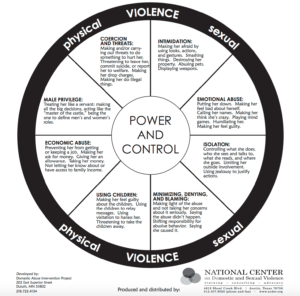
Developed by the National Center on Domestic and Sexual Violence.